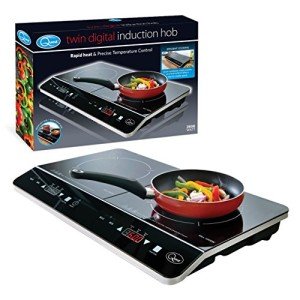
Induction Hob Ratings: A Comprehensive Guide for Consumers
Intro
Induction hobs are ending up being a significantly popular option for modern kitchen areas thanks to their energy efficiency, accuracy cooking abilities, and sleek styles. As culinary lovers and home cooks alike aim to update their cooking devices, comprehending different induction hob ratings ends up being critical. This post breaks down the crucial features, advantages, factors to consider, and ratings of induction hobs, helping customers make notified choices.
What is an Induction Hob?
An induction hob is a kind of cooking surface area that uses electro-magnetic fields to heat pots and pans straight, rather than warming the cooking surface itself. This results in quicker cooking times and less heat loss, making induction hobs not just effective but also safer to use.
How Induction Cooking Works
- Electromagnetism: The induction coil underneath the ceramic surface produces an electro-magnetic field.
- Direct Heating: When a compatible pots and pans is put on the hob, the magnetic field causes an electric current within the cookware, producing heat directly.
- Immediate Response: The cooking temperature level can be changed instantly, using greater control for the user.
Key Features of Induction Hobs
Energy Efficiency
Induction hobs are typically rated higher in energy effectiveness compared to gas or standard electrical hobs. They can transform up to 90% of the energy they take in directly into heat in the pots and pans, while gas hobs usually just transform around 40% to 55%.
Speed
Cooking with induction hobs is generally quicker. Water boils much faster compared to other cooking approaches, which can substantially decrease general cooking time.
Safety
Induction hobs remain cool to the touch, minimizing the threat of burns. Additionally, lots of models consist of automated shutdown features, boosting safety for households with children.
Ease of Cleaning
The smooth glass surface of induction hobs makes cleaning straightforward. Spills do not bake onto the surface, streamlining maintenance.
Design and Flexibility
Induction hobs can be found in different sizes and designs, typically offering extra features such as bridge functions (to connect 2 zones) or wise controls via mobile devices.
Understanding Induction Hob Ratings
Induction hobs are often rated based on several requirements, including power output, energy efficiency, safety features, and user convenience. Offered the quick development in innovation, ratings can vary. Here's a table summing up the requirements commonly utilized:
| Feature | Score Scale | Considerations |
|---|---|---|
| Power Output | Watts (W) | Higher wattage normally means much faster cooking times. |
| Energy Efficiency | A+++ to D | Ratings suggest performance; A+++ being the most effective. |
| Security Features | Yes/No | Ratings can indicate existence of innovation like car shut-off. |
| User Convenience | 1 (poor) to 5 (exceptional) | Assessment of features such as timers, controls, and responsiveness. |
Popular Ratings and How to Interpret Them
When searching reviews or product specifications, customers are most likely to experience ratings such as:
- Power Output (W): Often ranges from 1300W to 3500W, depending on the zone.
- Energy Rating: Indicates the general performance, usually utilizing the A-G scale; the higher the letter, the more efficient the product.
- Temp Control: Refers to the hob's ability to maintain set temperature levels, frequently ranked on a scale of 1 to 10.
- Ease of Cleaning: Ratings based on products used and surface area design.
Advantages of Induction Hobs
Induction hobs offer numerous advantages that ought to weigh greatly in a consumer's decision-making process:
- Time-Saving: Due to their quick heating abilities.
- Energy-Saving: Reduced energy usage when compared to gas or electrical models.
- Cooking Precision: Immediate modifications in heat levels enable delicate cooking strategies.
- Environmentally Friendly: Lower energy usage adds to a lowered carbon footprint.
Considerations Before Purchasing an Induction Hob
While induction hobs have numerous benefits, it's essential to consider the list below aspects before making a purchase:
- Cookware Compatibility: Only ferrous (magnetic) pans can be used. Unmagnetic pans will not work.
- Power Supply Requirements: Some models may require specific voltage requirements or committed circuits.
- Cost: High-end induction hobs come with innovative features and higher cost.
- Installation: May require expert installation depending on the model and cooking area setup.
Tips for Selecting an Induction Hob
- Evaluate Kitchen Space: Determine the size and configuration that fits your cooking practices.
- Research Brands & & Models: Read reviews and comparisons to discern which brands and models use the very best features for your needs.
- Concentrate on Features: Identify which features matter most to you, such as boost function, timers, or a touch control user interface.
FAQs
1. What type of pots and pans can be used on induction hobs?
Induction hobs need cookware that is magnetic. This includes cast iron, stainless-steel, and some aluminum if they have a magnetic base. Items made from glass or copper might not operate unless developed specifically for induction.
2. How do I clean up an induction hob?
Cleaning up is basic due to the smooth surface area. Use a soft cloth or sponge with moderate cleaning agent. Prevent abrasive cleaners that can scratch the glass surface.
3. Are induction hobs noisy?
Some induction hobs can produce a humming or buzzing sound, particularly at higher power levels. This is generally due to the cookware vibrating. It's recommended to evaluate this in-store if sounds are an issue.
4. Do induction hobs consume a great deal of electrical power?
Induction hobs are more energy-efficient than gas or standard electrical cooktops. While Induction Hob Retailer do take in electricity, the effectiveness usually offsets overall energy costs.
Induction hobs represent a fusion of innovation and convenience that pleases modern cooking needs. By informing themselves about induction hob ratings and features, customers can confidently select the best design tailored to their cooking choices. With developments in innovation and a growing concentrate on energy performance, induction hobs are most likely to remain at the forefront of cooking area devices for several years to come.